
The Evolving Tactics of Criminals to Launder Illicit Funds
Published Linkedin August 2023.
by Miguel CASSAGNE
Introduction
Money laundering allows criminals to conceal illicit funds and integrate them into the legitimate economy. This process typically involves three key stages - placement, layering, and integration. Money laundering has plagued authorities for decades as criminal organizations continually find new ways to disguise the illicit origins of funds.
Cryptocurrencies emerged from the work of Satoshi Nakamoto, who developed Bitcoin, the first decentralized digital currency powered by blockchain technology. This allowed peer-to-peer financial transactions without intermediaries like banks or governments.
The technology was intended to facilitate freedom and financial access. However, cryptocurrencies enable anonymous transactions that attract criminals. While most users are legitimate, drug traffickers, scammers, and money launderers exploit crypto to move funds undetected. The Swedish case exemplifies how anonymity features permit placement and layering of dirty money.
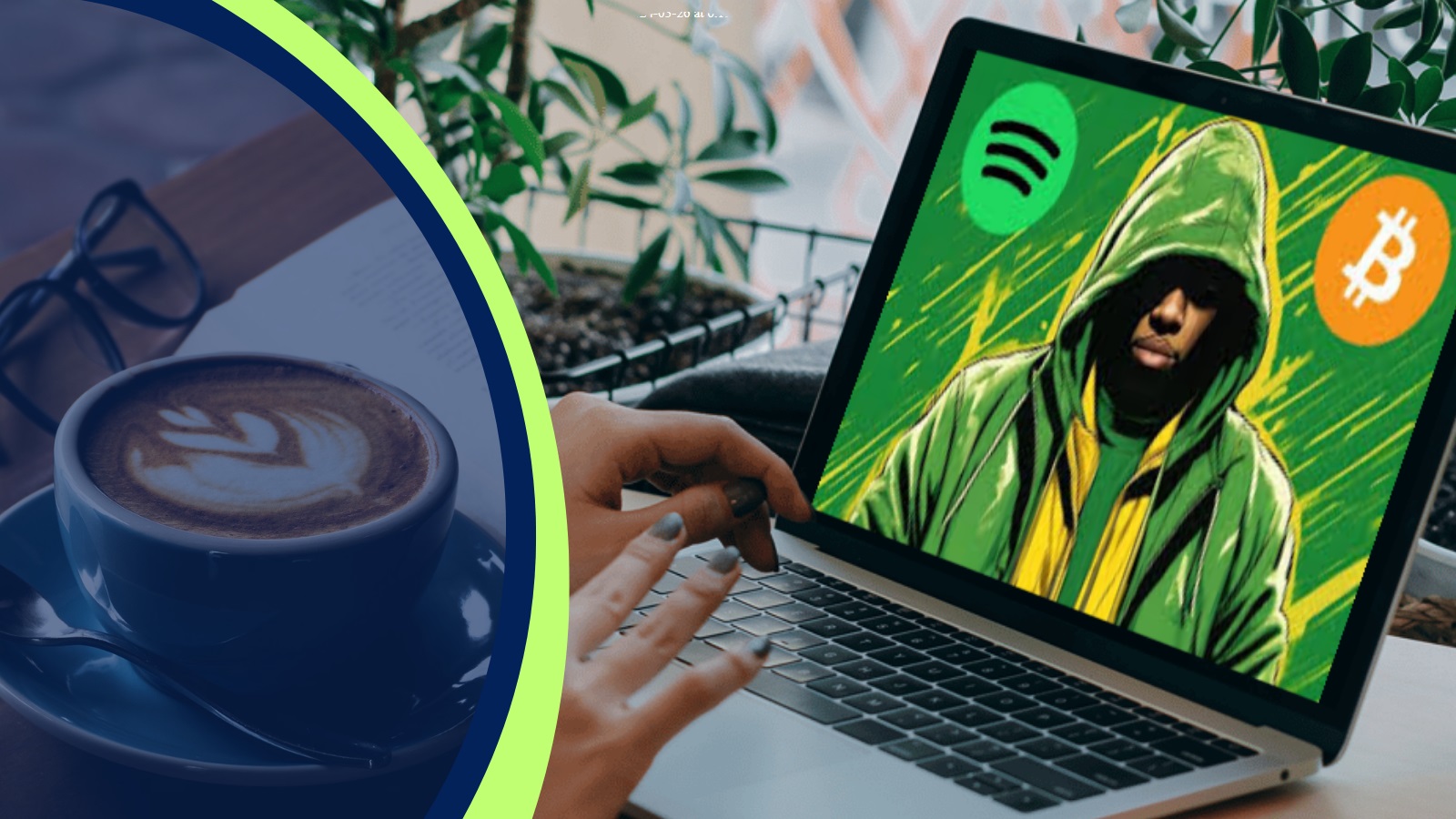
Recently, an elaborate scheme in Sweden uncovered the use of cryptocurrencies and music streaming platforms, like Spotify, to launder millions in dirty money.
The case highlights how cryptocurrencies and music streaming facilitate both the layering and integration phases, enabling millions in dirty money to enter the financial system. It also highlights the creativity of criminals in exploiting new technologies and reveals challenges for both law enforcement and tech companies in keeping up with evolving tactics.
The Swedish Case: Laundering Millions Through Spotify
In May 2022, Swedish authorities revealed criminals had laundered over ?10 million through Spotify by utilizing cryptocurrencies to generate fake streams on the platform. Two Swedish men were arrested for creating fake accounts, purchasing premium subscriptions with cryptocurrencies, and artificially inflating play counts of songs released by artists affiliated with criminal gangs. This generated huge payouts from Spotify by deceiving the platform into believing the songs were popular. The men were able to justify the illicit funds as legitimate Spotify earnings.
Gang began using Spotify for money laundering in 2019, around the time Swedish gangster rap became popular in the country and started winning music awards.
Authorities stated this method allowed criminals to not only launder money but also profit from the streaming revenue. In Sweden, amassing 1 million streams can result in substantial payouts from Spotify, presenting an enticing opportunity.
The anonymity of cryptocurrencies allowed illicit cash to be placed initially. Purchasing Spotify streams layered the funds by making them appear to be legitimate music business proceeds. The streaming revenue payouts from Spotify finally integrated the money into the mainstream economy.
Links to Increased Gang Violence
In addition to the financial impact, reports indicate the gangs involved in this Spotify scheme are linked to a spike in violence, including bombings and shootings across Sweden.
The ability to launder money through Spotify may have empowered these criminal networks to ramp up their violent activities by providing untraceable funds.
In 2022, Sweden registered 90 blasts and another 101 cases of attempted bombings or preparations for bombings, as well as 391 shootings, 62 of them fatal, according to police data.
This reveals how the misuse of digital platforms can enable broader criminality.
Global Investigations Launched
The Swedish case has triggered international probes into the use of streaming sites for money laundering. Authorities in the US, UK, EU, and other countries have opened investigations. Reports show criminals exploiting streaming platforms is a global issue. A UK case in 2021 saw over £500,000 laundered through Spotify, Apple Music, and other sites [7].
Spotify has stated it is cooperating fully with investigations and devoting resources to uncovering illegal activities on its platform [8]. However, experts say identifying fake accounts and artificial streaming patterns is an immense challenge given the massive scale of these platforms.
Tighter Cryptocurrency Controls
The anonymity provided by cryptocurrencies is enabling their use in complex money laundering schemes like the Swedish case. In response, governments are looking to implement stricter regulations around crypto transactions to prevent unlawful activities [9]. Proposed measures include mandatory identity verification, limiting anonymous transactions, and requiring exchanges to report suspicious activity.
For instance, the EU recently agreed to new regulations, including restrictions on anonymous crypto wallet transactions. Experts state these controls could impede the ability of criminals to use crypto for money laundering [10]. However, some in the crypto industry argue excess regulation could stifle innovation.
Artificial Intelligence and Big Data
To keep up with the growing sophistication of money launderers, authorities and tech firms are leveraging artificial intelligence and big data analytics. AI can be used to detect patterns and anomalies that may indicate manipulated streaming activity or fake accounts. Big data analysis helps construct profiles of normal user behavior to identify outliers that could represent criminal exploitation.
However, challenges remain in keeping detection methods robust in the face of adaptive criminals who find ways to outmaneuver them. Critics also highlight concerns around overreach in monitoring user activity and potential violation of rights to privacy. Reasonable oversight and transparency are required to balance security with ethics.
Conclusion
The Swedish case provides a sobering look at the evolving tactics used by criminals to conceal illicit funds. As emerging technologies like cryptocurrencies and streaming platforms gain adoption, authorities, financial institutions and tech companies must collaborate closely to identify and mitigate new potential avenues for exploitation.
Proactive efforts and coordinated responses that leverage innovations like AI are required in this ongoing cat-and-mouse game. With vigilant oversight, digital platforms can be secured without excessive infringement of user privacy and innovation. Ultimately, addressing the root causes that feed criminal empires is key to stemming the relentless tide of money laundering.